
I’m a creative technologist
building AI-enhanced hardwareexperiences.
I build early working versions of new hardware and software products, from near-term concepts to speculative ones. I turn an idea into something a team can critique while the concept is still forming. Then I combine design, hardware, software and evaluation into a working MVP. After that I deploy it with teams and vendors and bring back what I learn from real use. My work covers AI integration, embedded software, real-time software, hardware design, prototyping and fabrication.
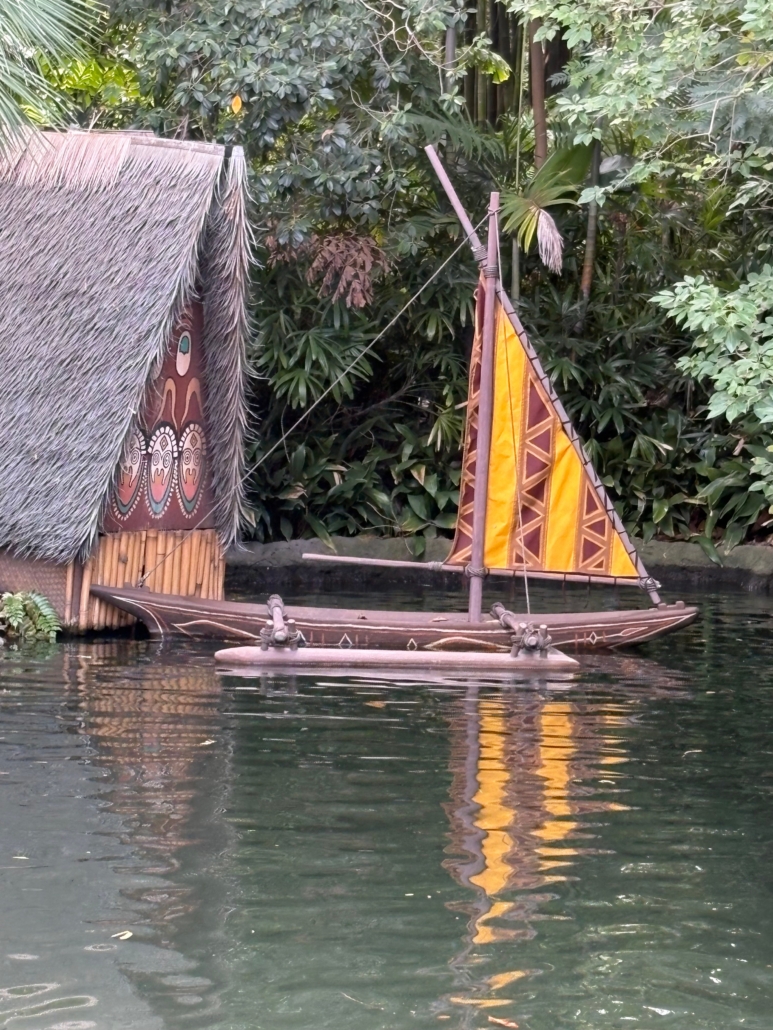
A large-format 3D-printed outrigger canoe for the Jungle Cruise at Disneyland, built to explore how additive manufacturing can bring a first-of-its-kind prop to the parks. I led the design, fabrication and install on the Walt Disney Imagineering R&D side, working with Haddy.

Five small robot ducks in a garden, each one driven by its own copy of a real fruit fly brain. That brain has 139,248 neurons mapped by the FlyWire project, and your browser simulates every one of them as it fires. The ducks smell, see and hear, make friends and hold grudges, and each one has its own personality. Tap a duck to follow it and watch its brain at work.
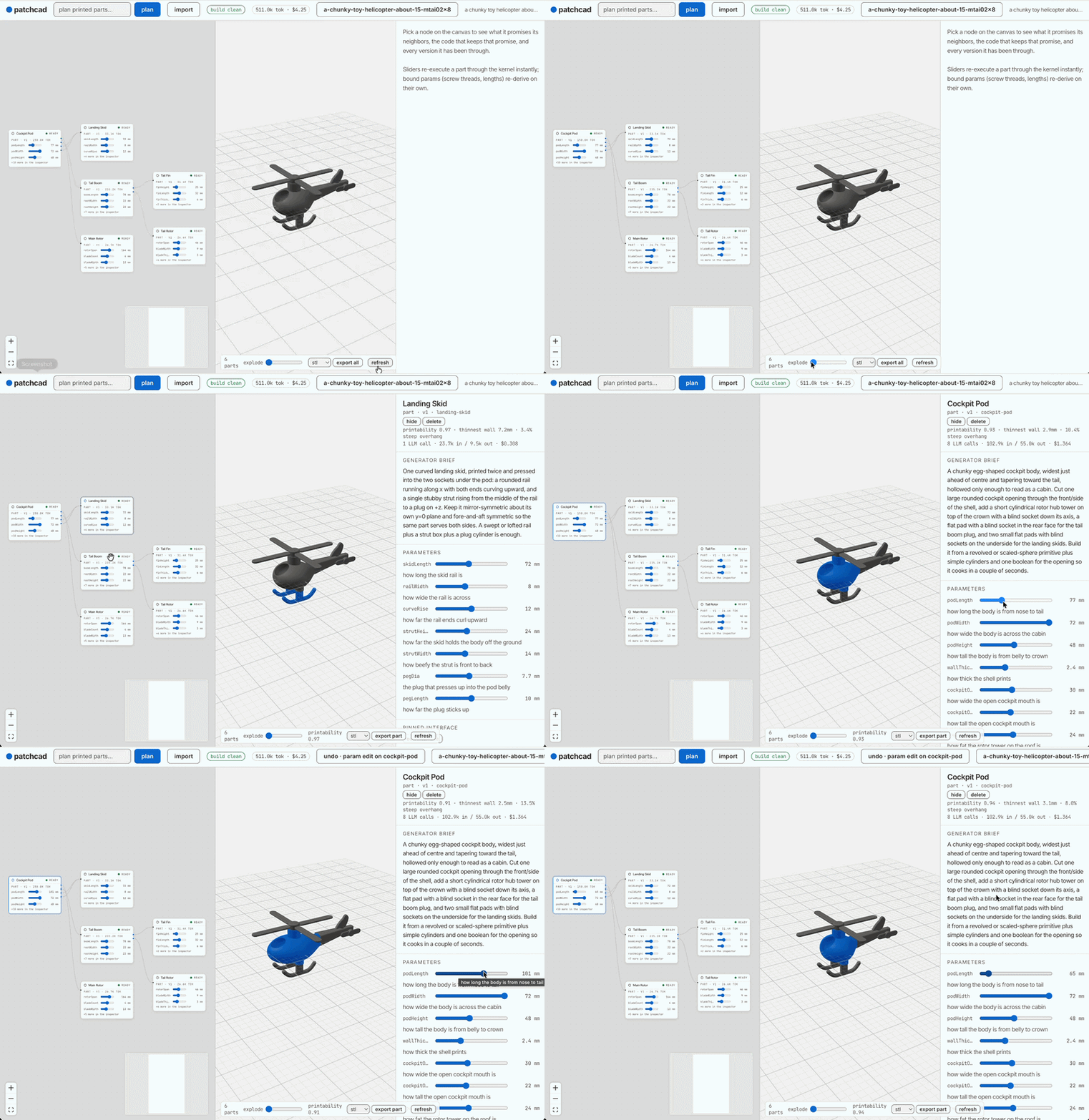
A generative CAD project where a model designs a part as a graph of nodes and decides how they fit together. Another model then generates each geometry node. Don’t like one piece of the 3D model? Reprompt that node and every other node stays as it is.
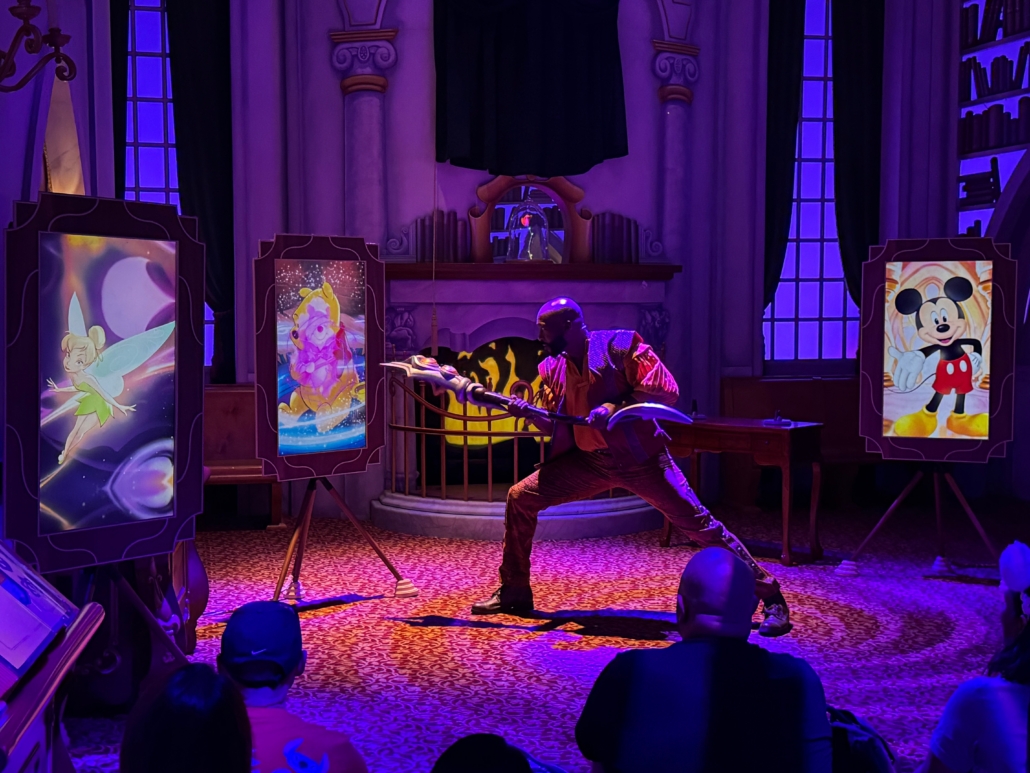
A limited-time interactive experience at Disney California Adventure. Its main prop, an Inkcaster, combines desktop 3D printing and large-format additive manufacturing. I led its fabrication and design for additive manufacturing, again working with Haddy.

Four labs, on caching, input tokens, output tokens and determinism, measure where AI coding-agent tokens go and what each fix does. They run on my real session transcripts. Across 9,728 of my own turns, 87-93% of spend went to re-reading conversation history rather than writing the answer.

A wearable that extends touch into the space around you through digitized whiskers. It reimagines an earlier whisker wearable by my former colleague, metaterra.
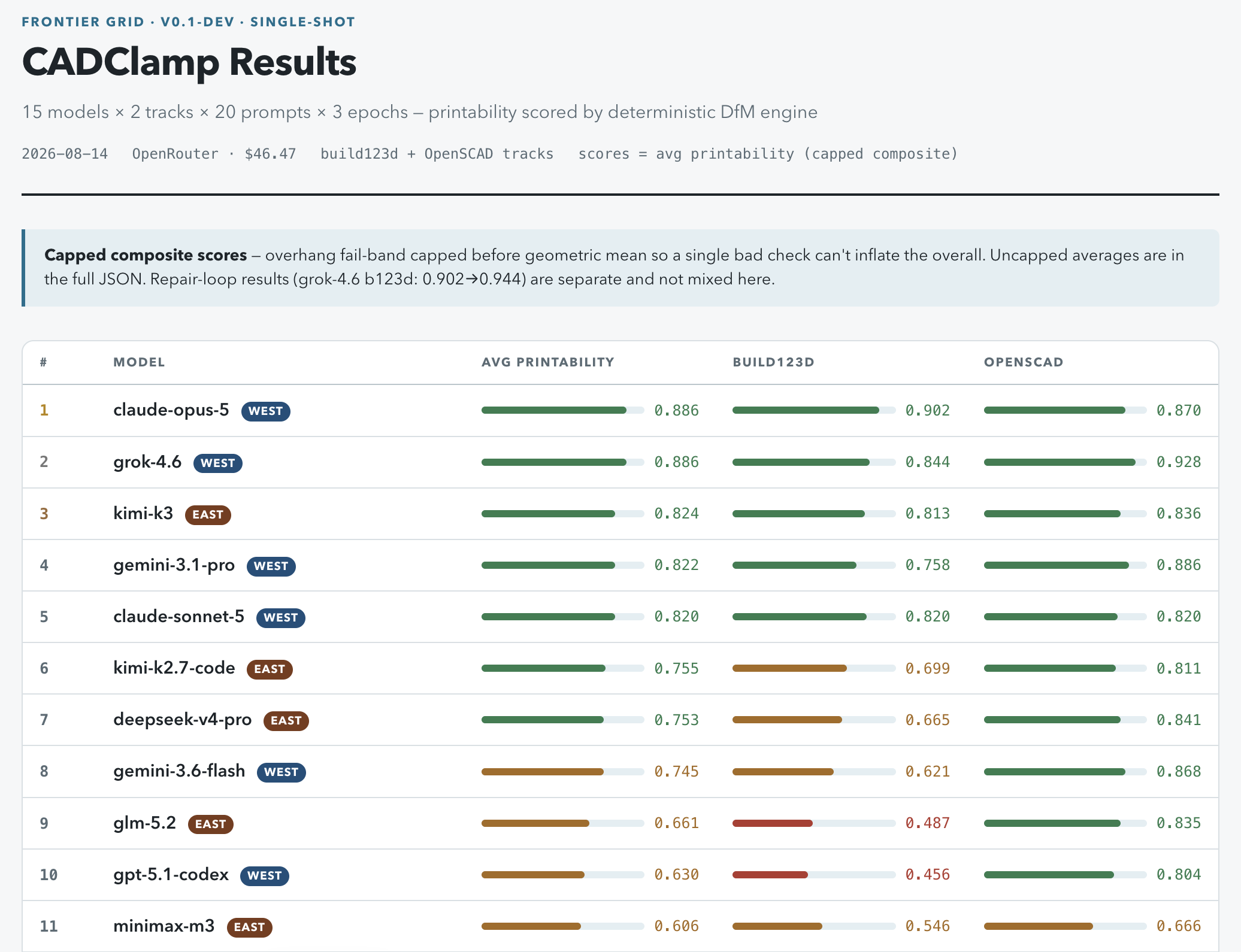
A benchmark that scores AI-generated CAD on whether the part can be 3D printed. It runs model-written build123d and OpenSCAD code in a sandbox, then grades the resulting solid deterministically. I graded 15 models across both languages.

Three wearable devices that make invisible phenomena visible: a magnetic-field sensor, an ultrasonic “third ear,” and an AI-nose scent classifier, each rendered as long-exposure light paintings.

Scent-based telepresence robots that carry smell across distance, helping a remote-first research lab feel more physically present to one another.

A magnetic-connector board that lets e-textile makers test circuit designs with conductive thread before committing to a sewn project, cutting down on trial-and-error for STEAM classrooms.

An AR/VR heads-up display for astronauts that explores hands-free EMG (muscle signal) control and task guidance. It aims to reduce cognitive load and time for astronauts during spacewalks (EVAs).

An exploration of game designs that fuse a player’s physical body with the digital world, mapping how movement and sensing can drive play.

A brain-body augmented reality toolkit built for a BCI class, turning neural and physiological signals into a futuristic, multisensory food experience.

This project pairs sensory-extension devices with interactive simulations. It tests whether surfacing normally imperceptible phenomena helps people grasp abstract concepts.

An open-source, programmable tongue display unit that turns sight and sound into haptic feedback, designed so non-engineers can fabricate their own.
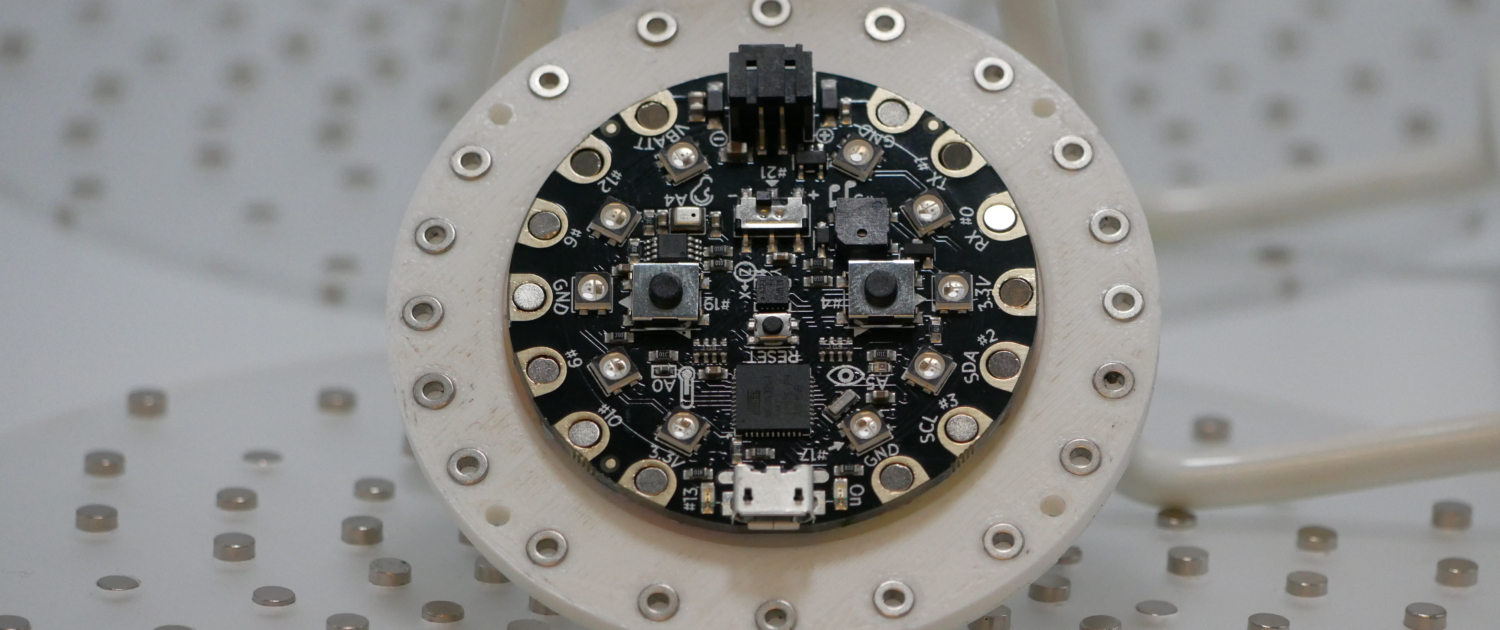
A sew-in extension for the Circuit Playground that lets e-textile makers design their circuitry with debugging built in from the start.
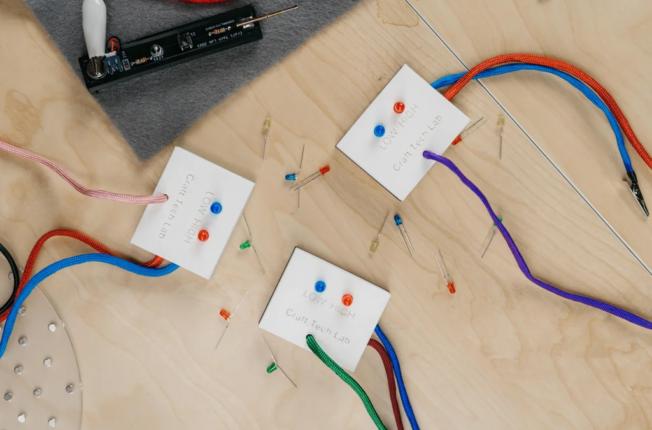
A cheap, easy-to-build logic probe reimagined for e-textile beginners, so students can test states in soft circuits without breaking out lab equipment.

A companion debugging tool that injects a high logical state into e-textile circuits, making it simpler to trace and verify soft-circuit behavior.

A wearable meter that actively monitors the continuity of an e-textile circuit as it’s being sewn, catching breaks in the moment they happen.

A sensory-extension puppet, Compy, whose beak senses magnetic fields and drives a haptic display, letting you feel magnetism the way a bird might.
I’m a technologist, engineer, prototyper and designer. I use new technologies and techniques to build early versions of future experiences. Technical prototyping in CAD, fabrication, hardware, AI and real-time software is the foundation of my work. The best new things come out of collaboration and iterative design within a team.
As the proverb goes, “If you want to go fast, go alone. If you want to go far, go together.”
I find out what already works in the world, then look for ways to innovate on it.
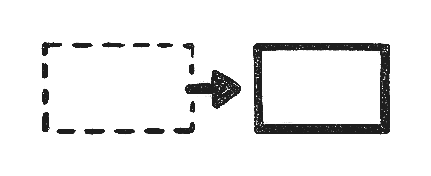
I start with a simple prototype, then add interactivity and other elements one step at a time.
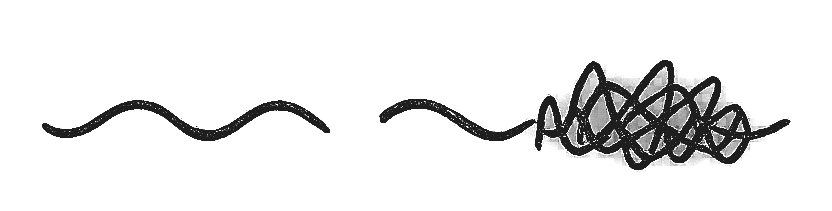
I don’t overuse audio, haptics or visuals.

I prototype quickly and iteratively with whatever materials are around.